
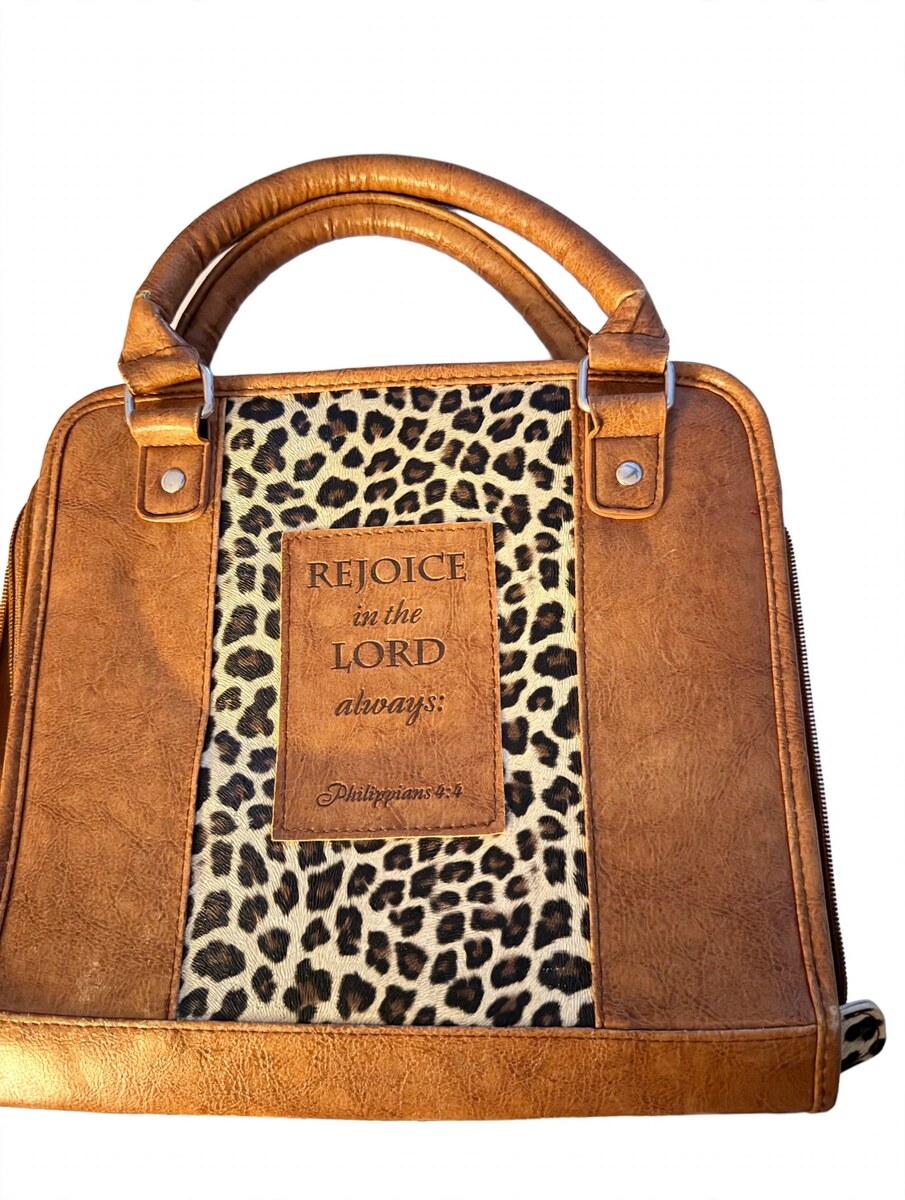
Listing a bag is easier when the words match what is really there. I like to look slowly, note the visible details, and photograph the parts a buyer would naturally want to understand. That is not a promise that an item will sell; it is a way to make the description more useful and fair.
Check the handles and attachment points
Look along the full length of each handle or strap. Notice cracking, stretching, loose stitching, discoloration, fraying, or repairs. Gently check where the strap joins the body, but do not pull hard enough to damage the bag. If the strap is removable, show the clips and describe whether it is included.
Open every zipper and closure gently
Test zippers, snaps, magnets, buckles, and clasps without forcing them. If something sticks or does not close fully, describe that plainly. Include a close image of the mechanism if it helps explain what a buyer will receive. Never say a closure works perfectly if you have not checked it.
Look at seams, corners, and the base
Check high-contact places: bottom corners, piping, seam lines, and the bag’s base. Photograph loose threads or wear honestly. Avoid tight edits that hide a flaw. If a seam is beginning to separate, disclose it and decide whether selling is appropriate under the marketplace’s current rules.
Inspect the lining and pockets
Open the bag and look through each pocket. Remove personal items, receipts, keys, and anything with names or contact details before taking pictures. Check for stains, residue, pen marks, odors, or small tears. Do not use harsh cleaners on unknown materials; follow care guidance if you have it.
Write a short, specific condition note
A helpful description separates what you know from what you are unsure about. For example: “The outside has light surface wear at the lower corners. The zipper opens and closes when tested. I did not identify the material.” Replace those sample details with only what you personally observe. Do not invent a brand, material, authenticity, original price, or market value.
Set your own decision point
Before listing, decide the lowest amount that would make the effort worthwhile after any applicable fees, packaging, and shipping responsibilities. Check the marketplace’s current rules and fees directly; they can change. If the condition is not something you can describe honestly, choose another route such as gifting, donating, or keeping it.
If you want to explore Vinted, this is Nikki’s Vinted invitation link. Referral disclosure: Nikki may receive a referral benefit if current requirements are met. Eligibility, fees, shipping, and listing rules can change; check Vinted’s current referral terms and marketplace rules before signing up. A listing or sale is not guaranteed.
For another beginner-friendly guide, see how to write a clear used-clothing listing or Nikki’s Vinted guide for moms.
Affiliate disclosure: The Vinted invitation is a referral link; Nikki may receive a benefit if the current requirements are met. Terms and eligibility may change. No Amazon product recommendation is included because none of Nikki’s verified product links is relevant to a bag-condition checklist. As an Amazon Associate I earn from qualifying purchases.