
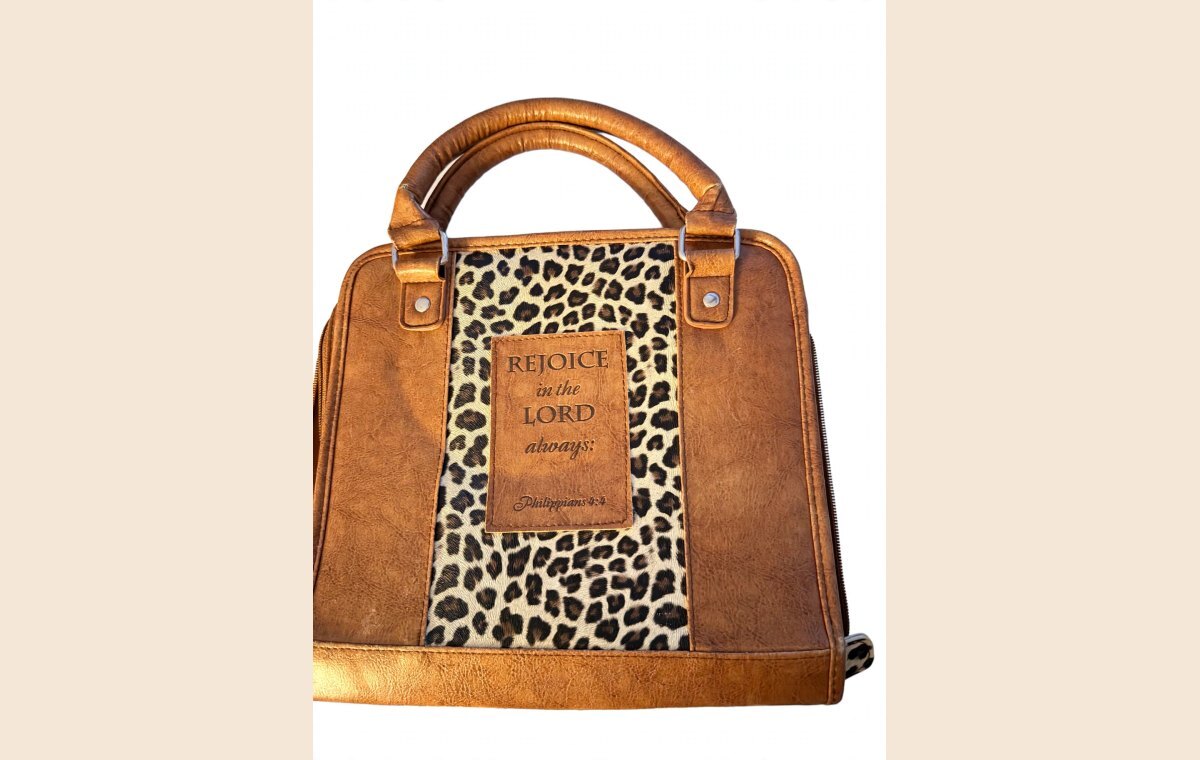
Seller disclosure: The Vinted closet linked below is mine. I may receive proceeds when you buy my items. It is a shopping link, not a signup bonus or a guarantee of income for readers.
A closet sale feels encouraging, but the number on the listing does not tell the whole story. Before you decide to list another pile of clothes, keep a small record of what was actually paid, what the order cost you and how much work it required. A notebook or a simple spreadsheet is enough.
Keep the asking price separate from the payment
Make one row per order. Write down the item, the agreed sale amount and the status of the payment. Interest, offers and pending balances are different from money received. Use the platform’s actual order details rather than estimating from the listing price.
Record the costs you paid
Include packaging you purchased for the order, seller-paid delivery costs and any applicable selling or payment charges. Check the current platform rules and transaction details; this guide does not quote a fee schedule or shipping rate. Do not subtract a cost paid by the buyer as though you paid it yourself.
For a hypothetical example, an $18 received payment minus $2 of packaging and $3 of other seller-paid costs leaves $13 before taxes and the original cost of the items. These numbers are invented for the calculation and are not Vinted’s fees or an earnings estimate.
Do not automatically call the remainder profit
If you bought an item to resell, record what you paid for it separately. If it was a personal possession, selling it may recover only part of the original purchase price. An amount left after order expenses is useful for planning, but it does not by itself establish profit or determine tax treatment.
Keep your underlying receipts and transaction records rather than relying only on a summary total. This worksheet is for organizing activity, not preparing a tax return.
Count the minutes outside packing
Record time for inspecting, photographing, measuring, answering messages, packing and dispatching. If you work on several listings together, note the batch time rather than pretending preparation took no time. The goal is a useful estimate, not a complicated stopwatch routine.
Use this order-log format
- Order identifier and items: ____
- Agreed sale amount: ____
- Payment status and amount actually received: ____
- Seller-paid costs with receipts: ____
- Original item cost, if known and relevant: ____
- Time spent and remaining commitments: ____
- Refund, adjustment or issue to follow up: ____
Keep this log private. Use an order identifier rather than copying buyers’ personal information into an unnecessary extra document.
Account for bundles and adjustments
A bundle can stay on one order row with all included items listed. If a later refund or adjustment occurs, update that row so the total reflects what happened. If you allocate a bundle amount across individual items for your own analysis, record the method and use it consistently rather than treating the allocation as the original transaction.
Review before buying supplies or inventory
After a handful of completed orders, compare the received amounts, costs and time. Which items were manageable? Which required more work than expected? Unsold items and unresolved orders also belong in your review. A busy inbox does not establish that resale is a good fit for your schedule.
Use the results to decide whether to continue, change your minimum prices or stop. There is no guaranteed sale or income level. For pricing decisions, read my bundle offer guide. For a small beginning, use the five-item closet resale plan.