Small toys are easy to buy one at a time and hard to notice as a category. A one-in, one-out rule can protect both the family budget and the space available, but it works best as a planning tool—not a threat made at the checkout line.
Explain the reason before the next request
Tell children the family is caring for the money and space it has. The rule is not “you have too much stuff” or “you are ungrateful.” Try: “We have room for this many small toys. When a new one comes in, we choose one that is ready to leave.”
Set the boundary around a real container
Use the drawer, basket, shelf, or bin already assigned to the category. The container makes the limit visible. Do not buy a larger organizer every time it fills; first ask whether everything inside is still wanted, complete, safe, and usable.
Decide what counts as an incoming toy
Clarify whether the rule covers party favors, prizes, thrift finds, gifts, collectibles, and toys bought with allowance. Families may make reasonable exceptions for birthdays or sentimental items, but too many exceptions make the boundary confusing.
Do not force the choice in the store
If a child cannot name an item to release, place the new request on a wish list and decide at home. A rushed choice can create regret and make the rule feel like punishment. Waiting also separates real interest from a moment of excitement.
Give children respectful exit options
An item may be kept, donated if appropriate, offered to someone who wants it, sold with adult help, recycled when accepted, or discarded if broken or unsafe. Check resale and donation rules, remove personal information, and never promise a sale price or fast buyer.
Protect special items from casual pressure
Do not insist that a child release a meaningful comfort object, handmade gift, or irreplaceable keepsake just to make room for a trend. Adults can help distinguish ordinary duplicates from items with emotional importance.
Connect the rule to the budget
Give small-toy spending its own limit instead of treating every request as a tiny exception. Before buying, ask where the toy will live, what it replaces, and whether the same money is needed for a planned family priority. The lesson is not that fun is wasteful; it is that every purchase uses money and space.
Watch for mystery-item costs
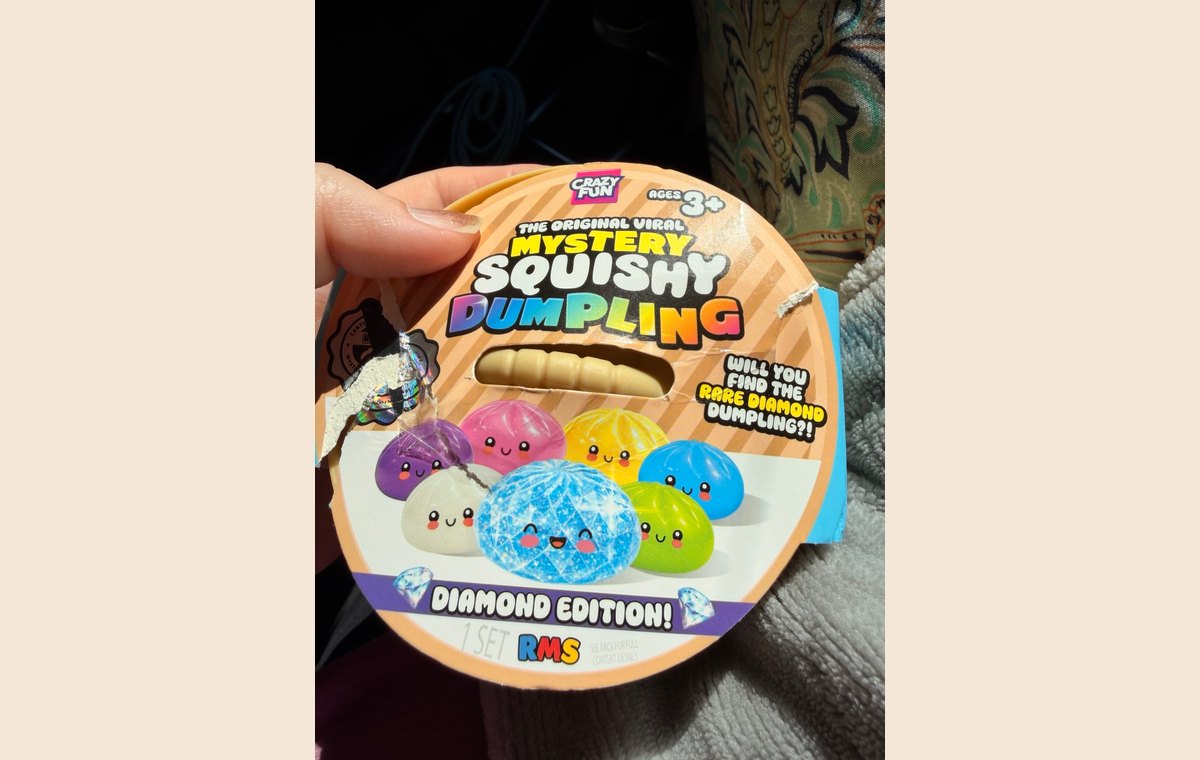
When packaging hides the exact item, duplicates and unwanted versions are possible. Do not assume that buying one more will complete a set. Count the full cost of repeated attempts and decide in advance when the family will stop.
Review the system without shame
If the container keeps overflowing, the category may need a lower buying frequency or a clearer exit routine. If a child is consistently distressed by discarding, slow down. Persistent difficulty that affects daily life may deserve support from a qualified professional rather than a stricter household script.
Use this alongside the small-toy spending checklist and the gift-closet inventory before shopping.
Affiliate disclosure: No new affiliate recommendation was added because no relevant user-owned link completed destination, product, and attribution verification. As an Amazon Associate I earn from qualifying purchases.