
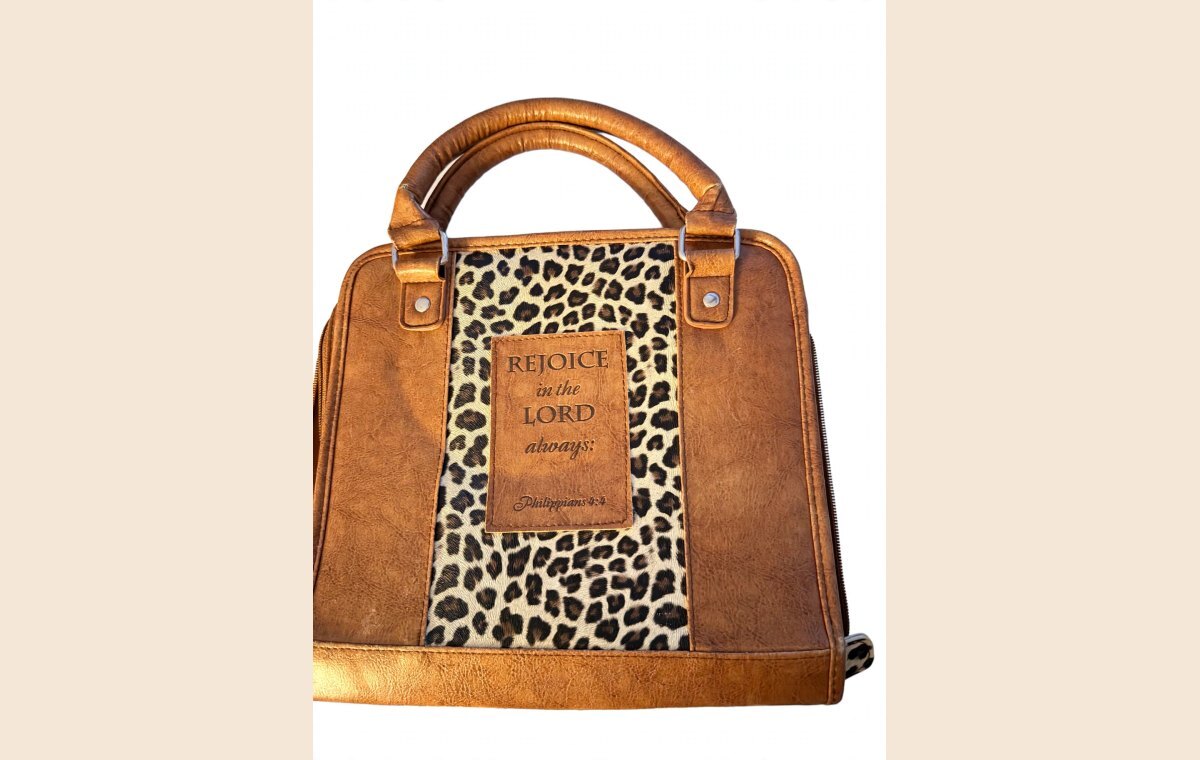
Seller disclosure: The Vinted closet linked below is mine. I may receive proceeds when you purchase my items. This is a shopping link, not a signup reward or an income guarantee.
Finding an item after it sells should not require turning the house upside down. A small inventory record can help you keep listings accurate and know what is ready to ship. You can begin with paper, a pencil and storage you already have.
Give each item a short identifier
Choose a simple sequence such as C001, C002 and C003. Write the code in your private inventory record and on a removable tag or storage label that will not damage the item. Avoid using family names, personal dates or identifying details as codes.
The code does not need to describe everything. Its job is to connect one item with one record. Do not reuse it while an order or issue involving that item remains unresolved.
Record one storage spot
Use plain labels such as Box A or Shelf B. Put the location beside the item code, and update the record whenever you move it. Choose a clean, dry place suited to the item. Avoid buying bins before you know how much space your small experiment needs.
If two similar shirts are listed, distinguish them with their own codes and notes. A photo filename or private thumbnail reference can help without requiring a complicated app.
Separate ready, listed and sold
Use a status column with a small set of labels: needs checking, ready to list, listed, sold awaiting dispatch, dispatched and closed. Keep withdrawn or donated items in the record with their final status instead of silently erasing them.
These are your private organization labels, not a description of any marketplace’s official order stages. Always follow the actual order instructions and current platform terms for payments, dispatch and disputes.
Use one row per item
- Item code and brief description: ____
- Condition checked and measurements recorded: ____
- Storage location: ____
- Listing reference and asking price: ____
- Current status and date updated: ____
- Related order identifier, if sold: ____
Keep buyers’ personal details out of this extra record. An order identifier is enough to find the relevant transaction in the official platform when needed.
Do a quick availability check before accepting an order
Locate the exact item and confirm it still matches the listing. Recheck condition, included pieces and any flaw already disclosed. If an item is offered in more than one place, keep availability synchronized using the platforms’ current permitted processes. Do not assume an old note proves it is still available.
Keep order costs in a separate log
Inventory tells you what you have and where it is. An order log records what you received, what you spent and the work involved. You can connect them using the item code. For bundles, list all included codes against the order rather than losing track of individual pieces.
My resale order-log guide explains that second record. Neither an asking price nor an inventory count establishes earnings.
Review a few records each week
Pick a small sample and compare the paper record with the actual items and live listings. Correct mismatched locations or stale statuses. If you repeatedly lose items, reduce the number you list until the system is manageable. More inventory does not guarantee more received income.
Start with the five-item closet resale plan if you are new to selling. A useful system should make the work easier without becoming another reason to spend money on supplies or software.